

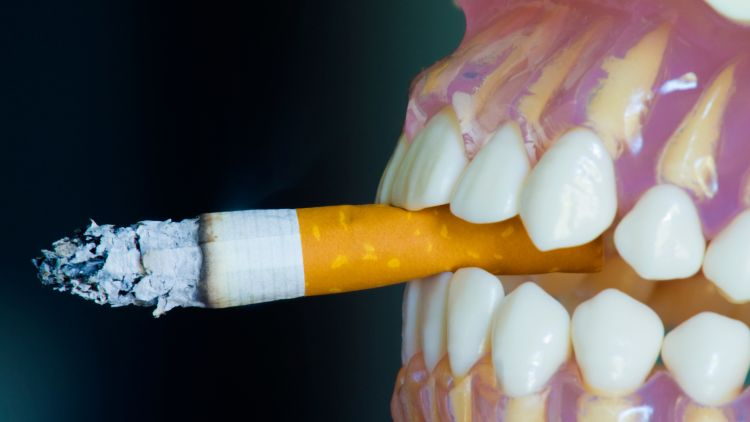
Tobacco use casts a long and destructive shadow over general health. While its links to cardiovascular disease and cancer are well-documented, the damage it inflicts on oral health is often overlooked. The truth is, every puff of a cigarette unleashes a cascade of harm on the teeth, gums, and underlying structures of the mouth. The Smoking Dental Risks are extensive, progressive, and, in many cases, irreversible.
From aesthetic deterioration to life-threatening oral cancers, smoking doesn’t just stain your smile—it jeopardizes its very foundation.
Stained Teeth and Persistent Halitosis
One of the earliest and most visible effects of smoking is tooth discoloration. The nicotine and tar in tobacco adhere stubbornly to enamel, turning once-white teeth into shades of yellow and brown. These stains are deeply embedded and resistant to standard brushing or over-the-counter whitening products.
Accompanying the discoloration is a pervasive issue of chronic bad breath. Smoke residue, reduced saliva flow, and bacterial imbalance in the mouth contribute to a lingering odor that’s difficult to mask.
Though these are primarily cosmetic, they often serve as the first clues to deeper Smoking Dental Risks taking place beneath the surface.
Gum Disease: A Silent Destroyer
Perhaps the most insidious consequence of smoking is its direct impact on periodontal health. Smokers are significantly more likely to develop gum disease—a chronic inflammatory condition that affects the tissues and bone supporting the teeth.
Nicotine restricts blood flow to the gums, compromising their ability to heal and respond to infection. At the same time, smoking alters the oral microbiome, allowing harmful bacteria to thrive. This double-edged sword accelerates gum recession, tooth mobility, and, eventually, tooth loss.
What makes this even more concerning is the masking effect: smoking reduces the usual signs of gum disease, such as bleeding, making it harder to detect until severe damage has already occurred. In the realm of Smoking Dental Risks, periodontal disease stands as one of the most destructive and deceptive outcomes.
Delayed Healing and Increased Treatment Failures
Whether undergoing routine cleanings, tooth extractions, or advanced oral surgeries, smokers face significantly delayed healing times. The vasoconstrictive properties of nicotine impair the delivery of oxygen and nutrients to tissues—elements critical for post-procedure recovery.
This impaired healing also contributes to higher failure rates for restorative dental treatments, such as dental implants. The integration of implants with the jawbone (osseointegration) is heavily dependent on healthy bone metabolism and blood flow, both of which are compromised in smokers.
As part of understanding Smoking Dental Risks, it’s vital to recognize that smoking not only causes disease but actively undermines the success of dental interventions meant to restore health.
Oral Cancer: The Ultimate Danger
While gum disease and tooth loss are serious, the most catastrophic consequence of tobacco use in the oral cavity is cancer. The link between smoking and oral cancer is undeniable. Tobacco smoke contains more than 70 carcinogenic compounds, each capable of altering DNA and promoting malignant cell growth.
Oral cancers can affect the lips, tongue, cheeks, palate, and throat, often developing silently before manifesting as painful ulcers, lumps, or difficulty swallowing. Prognosis depends heavily on early detection, which is often delayed due to the asymptomatic nature of early stages.
Dentists trained to screen for suspicious lesions emphasize this stark reality: among all Smoking Dental Risks, cancer is the most fatal.
Impaired Sense of Taste and Smell
Chronic tobacco use dulls the senses of taste and smell, diminishing the enjoyment of food and beverages. This sensory impairment, while less discussed, affects daily quality of life and can subtly alter nutritional habits over time.
The taste buds become less sensitive, and the olfactory receptors are desensitized, creating a muted sensory experience that many smokers come to accept as normal. This subtle erosion of pleasure is yet another underreported aspect of long-term Smoking Dental Risks.
Aesthetic and Social Impacts
The visible effects of smoking—such as tooth discoloration, gum recession, and premature aging of the mouth and lips—carry substantial social and psychological consequences. Smiles lose their vitality. Breath carries an unpleasant odor. Confidence erodes in both personal and professional settings.
Beyond health, smoking deteriorates the visual hallmarks of vitality and hygiene. It sends a powerful message, often unintended, about neglect and risk.
Prevention and Recovery
The most effective way to mitigate Smoking Dental Risks is, unequivocally, cessation. Quitting smoking halts the progression of oral damage and allows the body to begin the slow process of repair. Within weeks, the oral microbiome starts to rebalance, and within months, the risk for gum disease and oral cancer begins to decline.
For those unable or unwilling to quit immediately, increased vigilance with dental visits is critical. More frequent cleanings, oral cancer screenings, and periodontal evaluations can help detect issues early.
Collaborating with a dental professional who understands the nuances of tobacco-related oral damage is essential. Personalized hygiene regimens, fluoride treatments, and targeted interventions can help manage the risks.
Final Reflections
Smoking sabotages the health and beauty of the mouth in multifaceted ways. From surface-level discoloration to deep structural and cellular damage, the toll it takes is both immediate and cumulative. The Smoking Dental Risks are not abstract—they manifest in daily discomfort, diminished self-esteem, and long-term disease.
Awareness is the first step toward prevention. A healthy, confident smile begins with informed choices—and sometimes, the most powerful act of self-care is the decision to quit.