

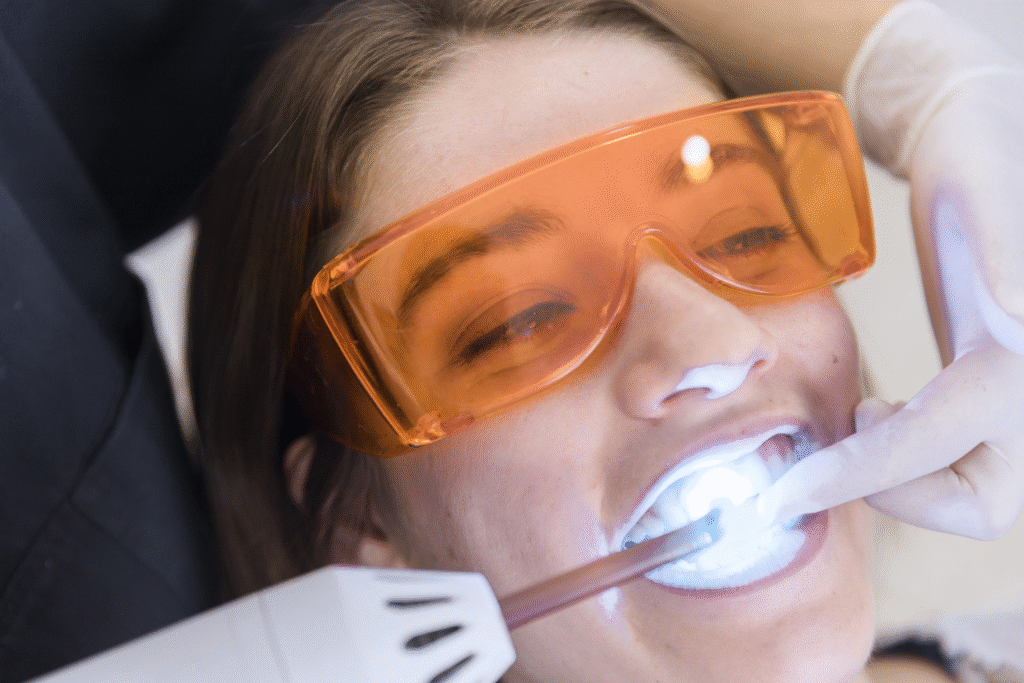
A gleaming, white smile is often considered a symbol of health and vitality. In the age of social media and instant gratification, the allure of do-it-yourself (DIY) teeth whitening has surged. Influencers tout baking soda blends, hydrogen peroxide rinses, and whitening pens as miracle solutions. But beneath the bright veneer lies a darker truth: DIY whitening risks are real, and often irreversible.
The Obsession with Whiteness
Teeth whitening has become an aesthetic priority for many, driven by cultural ideals and cosmetic standards. The market reflects this desire, with an ever-growing selection of whitening strips, gels, LED lights, and homemade concoctions claiming professional-level results at a fraction of the cost.
But achieving a luminous smile isn’t simply about shade—it’s about structure. The enamel, a tooth’s outermost layer, is thin, porous, and irreplaceable. Once it’s damaged, it cannot regenerate. And that’s where the danger of DIY whitening risks begins.
Enamel Erosion: Whitening’s Silent Saboteur
Many over-the-counter and homemade whitening methods involve acidic or abrasive agents. Lemon juice, vinegar, activated charcoal, and baking soda are common ingredients in viral whitening recipes. While they may provide a superficial brightening effect, they often strip enamel in the process.
Enamel erosion doesn’t happen overnight. It begins subtly—teeth feel more sensitive, edges appear translucent, or the surface becomes rough. Over time, enamel loss can lead to:
- Increased tooth sensitivity
- Discoloration (ironically, teeth may darken as the underlying dentin is exposed)
- Chipped or fragile teeth
- Greater susceptibility to cavities
Enamel, once compromised by aggressive DIY treatments, cannot be restored. The costs of repairing the damage—veneers, bonding, or crowns—far exceed any savings from at-home whitening kits.
Gum Irritation and Chemical Burns
Hydrogen peroxide is a key ingredient in many whitening solutions. While it is used in clinical settings, its concentration and application are meticulously controlled. At home, those safeguards are often nonexistent.
Excessive or improper use of peroxide-based products can lead to:
- Gingival irritation
- Soft tissue burns
- Inflammation or ulceration
- Mouth and throat sensitivity
The mucosal lining of the mouth is delicate. Prolonged contact with high-strength chemicals can result in long-term sensitivity or recurring gum issues. DIY whitening risks often stem from overuse—repeating applications too frequently in the hope of achieving faster results.
Tooth Sensitivity: A Common Yet Avoidable Outcome
Tooth sensitivity is among the most frequently reported side effects of at-home whitening. The whitening process, particularly when unsupervised, can expose the dentinal tubules—tiny channels that lead directly to the nerve endings of teeth.
The result? Sharp, sudden pain when consuming hot, cold, sweet, or acidic foods and drinks. While some sensitivity may subside over time, chronic cases can persist, leading to ongoing discomfort and dietary limitations.
Professional whitening procedures often include desensitizing agents and post-treatment protocols that are absent in DIY kits. This makes the risk of prolonged sensitivity significantly higher in self-administered treatments.
Inconsistent or Uneven Results
Even if damage is avoided, many DIY users find themselves dissatisfied with uneven whitening. Crowns, veneers, and fillings don’t respond to whitening agents, leading to mismatched smiles. Stains caused by trauma, medication, or fluorosis may also resist over-the-counter products.
Inconsistent application or poorly fitting trays can cause blotchy or streaked results, with some areas appearing whiter than others. These aesthetic pitfalls are often difficult to correct without professional intervention—highlighting yet another layer of DIY whitening risks.
The Risk of Misdiagnosis
Underlying dental issues like cavities, cracks, or gum disease should always be addressed before whitening. Many individuals pursuing at-home whitening are unaware of these hidden concerns. Applying peroxide to a decayed tooth or exposed root can cause acute pain and worsen the condition.
Dentists conduct a thorough exam before any whitening procedure, ensuring that the treatment is both safe and effective. Skipping this critical step puts individuals at risk of aggravating existing problems or creating new ones.
The Illusion of Cost Savings
At first glance, DIY whitening seems economical. Drugstore kits and natural remedies are markedly cheaper than in-office treatments. But when enamel erosion, gum damage, or restorative needs arise, the cost of correcting the aftermath can be substantial.
Professional whitening, while more expensive upfront, comes with tailored care, appropriate concentrations, and ongoing monitoring. In the long run, it often proves to be the safer—and more affordable—choice.
The desire for a radiant smile is understandable. But shortcuts often come at a high price. DIY whitening risks encompass more than tooth sensitivity—they can lead to irreversible damage, long-term discomfort, and unanticipated costs.
A truly healthy smile is not just white—it’s strong, functional, and protected. Achieving that safely requires more than a viral recipe or a quick fix. It demands informed choices, professional insight, and a respect for the delicate architecture of our teeth.