

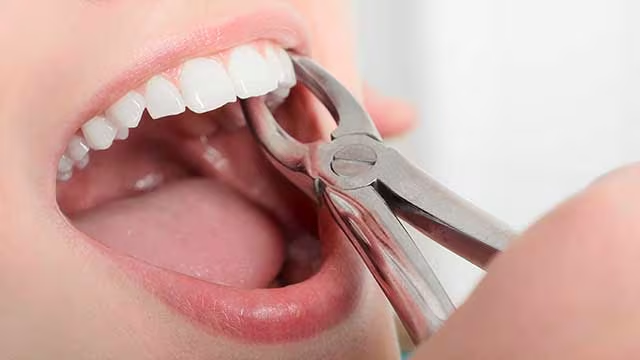
Tooth extraction—whether a simple removal or a surgical intervention—is a significant dental procedure that demands deliberate aftercare. Healing properly is not merely about managing discomfort; it’s about safeguarding your long-term oral health. After the anesthetic wears off and the gauze is discarded, the real care begins. Following precise, informed steps can prevent complications and promote efficient recovery.
The days immediately following a post tooth removal procedure are critical. The mouth enters a vulnerable state, and poor habits or oversight can lead to infection, dry socket, or prolonged healing. Below is a guide to help preserve the integrity of the extraction site and accelerate recovery with minimal risk.
The First 24 Hours: Lay the Foundation for Healing
Immediately after extraction, the body begins clot formation—nature’s biological bandage. This blood clot is vital; it shields the exposed bone and nerve endings, promoting tissue regeneration and preventing dry socket. Disturbing this clot can be disastrous.
To protect it:
- Avoid rinsing, spitting, or drinking through a straw for at least 24 hours. Suction and pressure can dislodge the clot.
- Keep your head elevated, even while sleeping. Use extra pillows to reduce blood pressure to the affected area and minimize bleeding.
- Apply a cold compress to the cheek intermittently to control swelling—20 minutes on, 20 minutes off.
These fundamental steps during the early post tooth removal window lay the groundwork for an uncomplicated recovery.
Nutrition: Gentle Fuel for Repair
Your diet plays a pivotal role in healing. In the first few days, eat only soft, non-acidic, and non-abrasive foods. Think mashed potatoes, applesauce, yogurt, smoothies (without a straw), and scrambled eggs. Stay well-hydrated, but avoid alcohol and caffeine, which can delay healing and increase the risk of bleeding.
Equally important: avoid crunchy, spicy, or hot foods that could irritate or physically damage the wound. Seeds, nuts, or even crusty bread can become lodged in the extraction site and invite infection.
A zinc-rich and vitamin C-packed diet can accelerate tissue repair, fortifying the immune response and strengthening gum health during the post tooth removal recovery period.
Oral Hygiene: Cleanliness Without Aggression
While brushing and flossing are crucial to oral health, they must be modified temporarily. Do not brush the extraction site for at least 24 hours. After that, resume gentle brushing around—but never directly on—the surgical area.
Instead, rinse gently with a warm saline solution (½ teaspoon salt dissolved in a cup of warm water) beginning 24 hours after extraction. This natural antiseptic promotes healing, reduces inflammation, and flushes out food particles without disrupting the clot.
Avoid commercial mouthwashes containing alcohol during the early post tooth removal days. These can cause a burning sensation and delay epithelial healing.
Activity and Rest: Know Your Limits
Vigorous physical activity can increase blood pressure and dislodge the clot. For at least 48 hours, avoid exercise, heavy lifting, or intense exertion. Allow your body to rest and concentrate its energy on tissue regeneration.
If you must resume activity, proceed gradually and stop at the first sign of throbbing or renewed bleeding. Listen to your body; its signals are direct and unambiguous during recovery.
Sleep and hydration further aid tissue regeneration, so aim for quality rest and consistent fluid intake—preferably water or herbal infusions.
Recognizing Complications Early
Vigilance is essential during the healing process. While some discomfort, minor bleeding, and swelling are expected, signs of complications should never be ignored.
Be alert for:
- Severe, throbbing pain 2–4 days after extraction, which may signal a dry socket
- Persistent bleeding beyond 24 hours
- Foul odor or discharge from the socket
- Swelling that increases after the third day
- Fever or swollen lymph nodes
These may indicate infection or clot disruption and warrant immediate professional attention.
Understanding your body’s response to the post tooth removal procedure enables swift intervention and reduces long-term risks.
Long-Term Recovery and Bone Health
Depending on the location and complexity of the extraction, the bone and soft tissue may take several weeks to fully heal. Once the initial discomfort fades, many individuals neglect the ongoing recovery process. This is a mistake.
To maintain proper oral structure:
- Attend follow-up appointments
- Consider bone grafting if recommended (especially after molar extractions)
- Avoid smoking for at least a week, as it dramatically increases the risk of dry socket and impedes oxygenation of the tissues
If a dental implant is in your future, optimal post tooth removal healing is foundational. Your dentist may evaluate the extraction site’s progress before proceeding with restorative options.
The Role of Lifestyle in Healing
Sleep quality, stress levels, smoking, and systemic health all influence the body’s ability to heal. Individuals with diabetes, autoimmune disorders, or those taking anticoagulants must be particularly diligent and should closely follow tailored post-operative instructions.
Stress management through deep breathing, meditation, or light walks (after the rest period) can lower cortisol levels and create a more favorable internal environment for wound healing.
Navigating the aftermath of a tooth extraction requires more than rest—it demands intentional, informed care. By adhering to smart habits and recognizing potential pitfalls, the recovery phase can be swift, uneventful, and ultimately beneficial to your overall dental wellness. A well-managed post tooth removal process ensures not just healing, but resilience—setting the stage for a healthier, stronger smile ahead.